

Utilize the Power of 3D Architectural Rendering
- Rajko Stijakovic

- Sep 24, 2025
- 4 min read
Updated: Mar 26
In the fast-evolving world of architecture and design, staying ahead means embracing tools that transform ideas into vivid realities. I’ve witnessed firsthand how cutting-edge 3D visualization techniques have revolutionized the way we conceive, communicate, and execute architectural projects. These tools don’t just create images; they craft immersive experiences that attract clients, streamline workflows, and elevate creativity to new heights.
Whether you’re sketching the first lines of a concept or presenting a finalized design to stakeholders, mastering these techniques is no longer optional. It’s essential. Let me take you through the dynamic landscape of 3D visualization and show you how to utilize its full potential.
Exploring the Latest 3d Visualization Techniques
The realm of 3d visualization is vast and constantly evolving. From photorealistic renderings to interactive walkthroughs, the techniques available today empower creators to communicate their vision with unprecedented clarity and impact.
Here are some of the most powerful 3d visualization techniques shaping the industry:
Photorealistic Rendering: This technique uses advanced lighting, textures, and materials to create images indistinguishable from real photographs. It’s perfect for showcasing the final look of a project.
Virtual Reality (VR) Walkthroughs: Immersive VR experiences allow clients and collaborators to explore spaces as if they were physically present. This fosters deeper understanding and emotional connection.
Augmented Reality (AR) Integration: AR overlays digital models onto real-world environments, enabling on-site visualization and instant design adjustments.
Real-Time Rendering: Powered by game engines, this technique offers instant feedback on design changes, accelerating decision-making and collaboration.
Drone and Aerial Visualization: High-angle views and fly-throughs provide context and scale, highlighting how a project fits within its environment.
Each technique serves a unique purpose, and combining them strategically can unlock new dimensions of creativity and communication.

What is 3D Architectural Rendering?
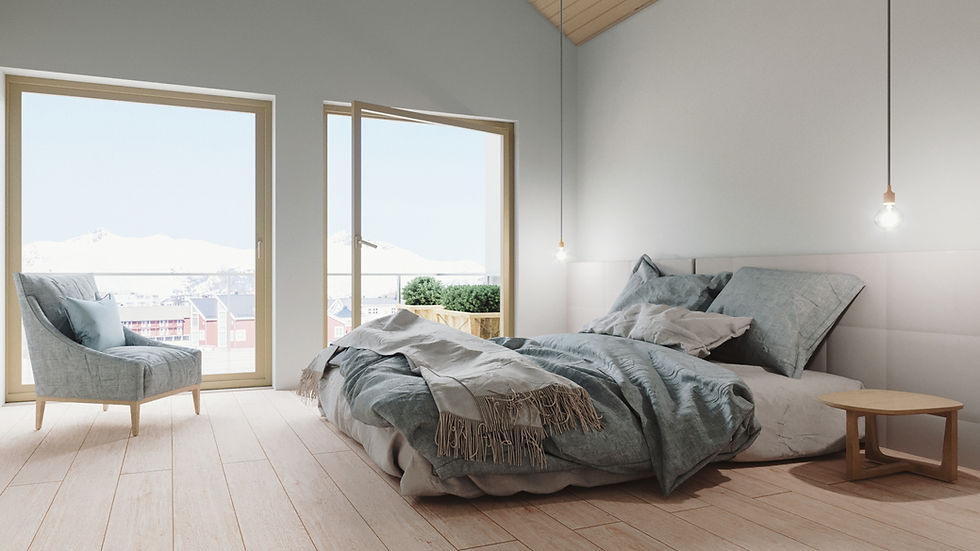
At its core, 3D architectural rendering is the process of creating digital images or animations that represent architectural designs before they are built. It’s a bridge between imagination and reality, allowing architects and designers to visualize every detail with precision.
Unlike traditional blueprints or 2D sketches, 3D renderings provide a comprehensive view of a project’s form, materials, lighting, and spatial relationships. This clarity helps identify potential design issues early, saving time and resources.
The process typically involves:
Modeling: Creating a detailed 3D model of the building or space.
Texturing: Applying materials and finishes to surfaces.
Lighting: Simulating natural and artificial light sources.
Rendering: Generating the final image or animation using specialized software.
The result is a powerful visual tool that communicates design intent clearly to clients, contractors, and stakeholders.
Why Embrace 3d Architectural Rendering?
In my experience, the value of 3d architectural rendering goes far beyond aesthetics. It’s a strategic asset that transforms how projects are developed and presented.
Here’s why integrating this technology is a game-changer:
Enhanced Client Engagement: Clients can see exactly what they’re investing in, reducing misunderstandings and increasing satisfaction.
Improved Design Accuracy: Visualizing spaces in 3D helps catch design flaws and optimize layouts before construction begins.
Faster Approvals: Realistic renderings speed up decision-making processes with clear, compelling visuals.
Marketing Power: Stunning images and animations attract buyers and investors, boosting sales and project visibility.
Collaboration and Communication: Teams can share and review designs seamlessly, fostering innovation and efficiency.
For architects, designers, and developers, mastering these tools means delivering projects that resonate deeply and perform flawlessly.
Practical Tips to Maximize Your 3d Visualization Workflow
To truly harness the power of 3d visualization techniques, it’s essential to adopt best practices that streamline your workflow and enhance output quality. Here are actionable recommendations I’ve found invaluable:
Start with Accurate Data: Use precise measurements and site information to build your models. Accuracy at this stage saves headaches later.
Invest in Quality Textures and Materials: Realistic surfaces make a huge difference in the final render’s impact.
Master Lighting Techniques: Experiment with different lighting setups to highlight architectural features and create mood.
Leverage Post-Processing: Use software like Photoshop or Lightroom to fine-tune colors, contrast, and details.
Stay Updated on Software: Tools like Blender, 3ds Max, Lumion, and Unreal Engine evolve rapidly. Continuous learning keeps you competitive.
Collaborate Early and Often: Share drafts with clients and team members to gather feedback and iterate quickly.
Optimize for Different Platforms: Tailor your visuals for presentations, websites, VR devices, or printed materials.
By integrating these steps, you’ll not only improve your renderings but also enhance your overall project delivery.

The Future of Architectural Visualization
Looking ahead, the future of architectural visualization is thrilling. Emerging technologies promise to deepen immersion, increase interactivity, and democratize access to powerful tools.
Some trends to watch include:
AI-Driven Rendering: Artificial intelligence will automate complex tasks, speeding up production and enabling hyper-realistic results.
Cloud-Based Collaboration: Remote teams will work together in real-time on shared 3D models, breaking down geographical barriers.
Sustainability Visualization: Tools will help visualize energy efficiency and environmental impact, supporting greener design choices.
Mixed Reality Experiences: Combining VR and AR will create seamless, interactive environments for clients and builders alike.
Embracing these innovations will keep you at the forefront of architectural creativity and client satisfaction.
Empowering Creativity Through Visualization
Harnessing the power of 3d visualization techniques is about more than just technology. It’s about unlocking new ways to tell stories, solve problems, and inspire action. When you bring your designs to life with clarity and emotion, you create connections that transcend blueprints and technical jargon.
At Studio Heisenberg, we believe in pushing boundaries and sharing knowledge to elevate the entire industry. Whether you’re an aspiring 3D artist or a seasoned professional, embracing these tools will empower you to shape the future of architecture with confidence and vision.
Step into this exciting world and watch your ideas transform into breathtaking realities.


Comments